


Jack Daniel’s is one of those rare brands that hardly needs an introduction. It is iconic, instantly recognisable, and deeply embedded in culture. But that kind of fame creates its own challenge. How do you modernise a brand like that without stripping away the very things that made people love it in the first place?
That was the challenge Sophia Angelis faced when she became Managing Director of Jack Daniel’s on 1 January 2020. It was a landmark appointment. She was the first woman to hold the role and the first person to do it from outside the US. Within months, she was not only navigating a global pandemic, but also leading the development of the brand’s first ever truly global campaign.
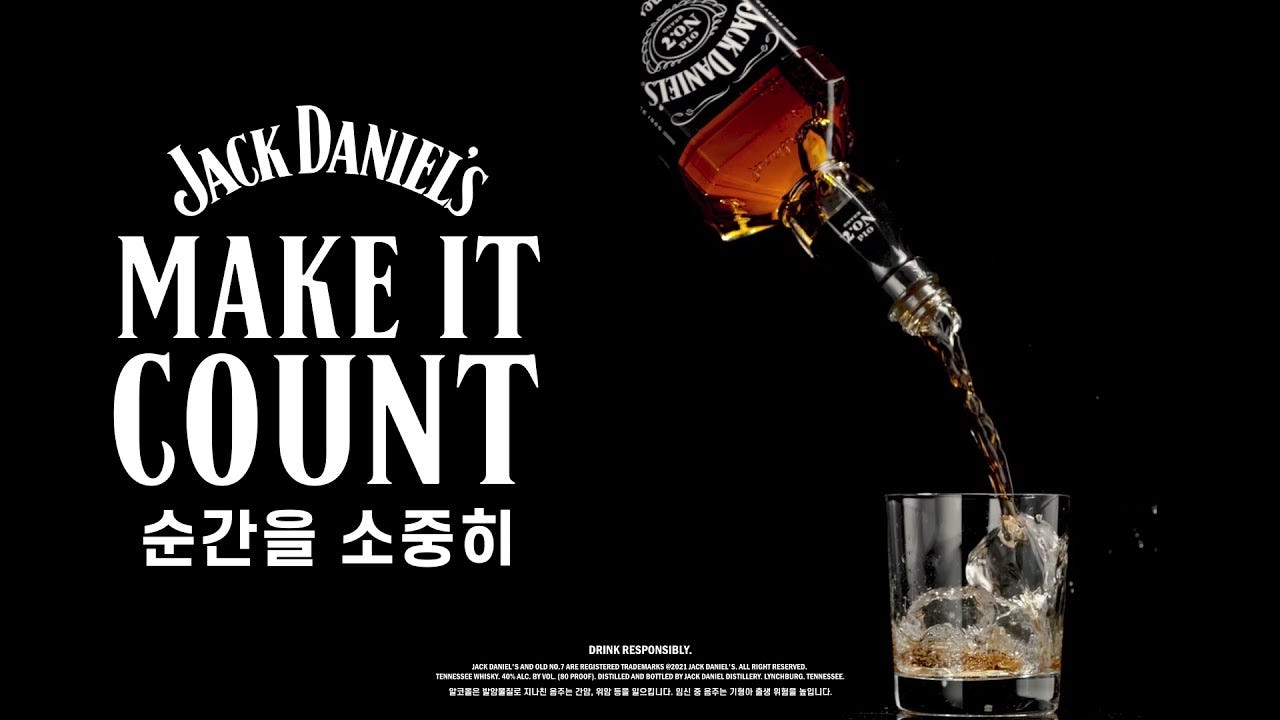
The result was Make It Count. A platform designed to work across markets, moments and cultures, while still staying true to the craft, independence and emotional resonance that made Jack Daniel’s an icon in the first place.
What follows is an edited Q&A from my conversation with Sophia, focused on four themes that stood out most: protecting an icon, finding a global insight, building a global system markets would actually use, and creating an idea flexible enough to stretch from brand storytelling to premium innovation. I hope you find it as insightful as I did.
When you stepped into the global role at Jack Daniel’s, what did you see as the core challenge?
Sophia: The biggest challenge was how to protect what makes an iconic brand iconic, while still moving it forward. For me, that starts with love and respect for the brand, but also a deep understanding of it. With Jack Daniel’s, that means understanding the founder story, the fact that every bottle is made in Lynchburg, the generations of families working at the distillery, the craft, the quality, all of it. But then there’s another side too, which is its role in popular culture. How it became associated with people like Frank Sinatra, the Rolling Stones, and so many others. You have to understand both of those layers if you want to evolve it properly.
So how did that thinking turn into Make It Count?
Sophia: We had an idea we liked. But what we hadn’t done yet was test whether it could genuinely work globally. So we went back to consumers across multiple markets and asked some fairly fundamental questions. Had their relationship with the category changed? Had their relationship with the brand changed? And this was particularly relevant because we were talking to Gen Z, and also to consumers coming out of Covid. What we found were common themes. People still wanted fun, release and connection, but how that showed up varied by market. In some places it meant going out and being with friends. In others it was more subdued, more reflective, more about making smaller moments meaningful.
What we loved about the idea was that it was enabling and empowering. It could mean different things to different people. You could make the night count. You could make the moment count. You could make the last lap count. But it also connected beautifully back to the brand itself. This is a whiskey made with care, craftsmanship and patience. So there was a natural link between what the consumer wanted and what the brand had always stood for. That’s when you know you’ve got something strong.
A lot of global campaigns fail not because the idea is weak, but because markets do not want to use them. How did you avoid that?
Sophia: We made the whole development process much more inclusive. I’d worked in local, regional and global roles before, and I knew how frustrating it is when global simply hands something down and expects everyone to run it. So from the start, we brought key markets into the process. We shared insights. We shared early concepts. We got their input at milestones. It definitely slowed things down, and it was not always easy, but by the time we landed on the final direction, markets had been part of the journey. So it was not a case of Germany, or the UK, or the US saying, “This is not for us.”
We also changed the operating model around production. We created a central production hub and asked markets up front what assets they needed. We covered the cost of producing the core set centrally, and then created a framework with clear boundaries. The brand positioning, insight and creative strategy were fixed. Those were the immutables. But within that, markets had freedom. If they wanted local characters, different occasions, or adaptations for specific channels, they could do that. That flexibility made a huge difference.
It also had a commercial impact. Because global absorbed more of the production burden, local teams had more money to put into media. By the end of that first year, Jack Daniel’s had doubled its media investment globally behind the campaign.
That is the part brand people often miss. Great strategy is not only about the power of the idea. It is also about building systems that help the idea scale.
What did Make It Count actually look like in execution?
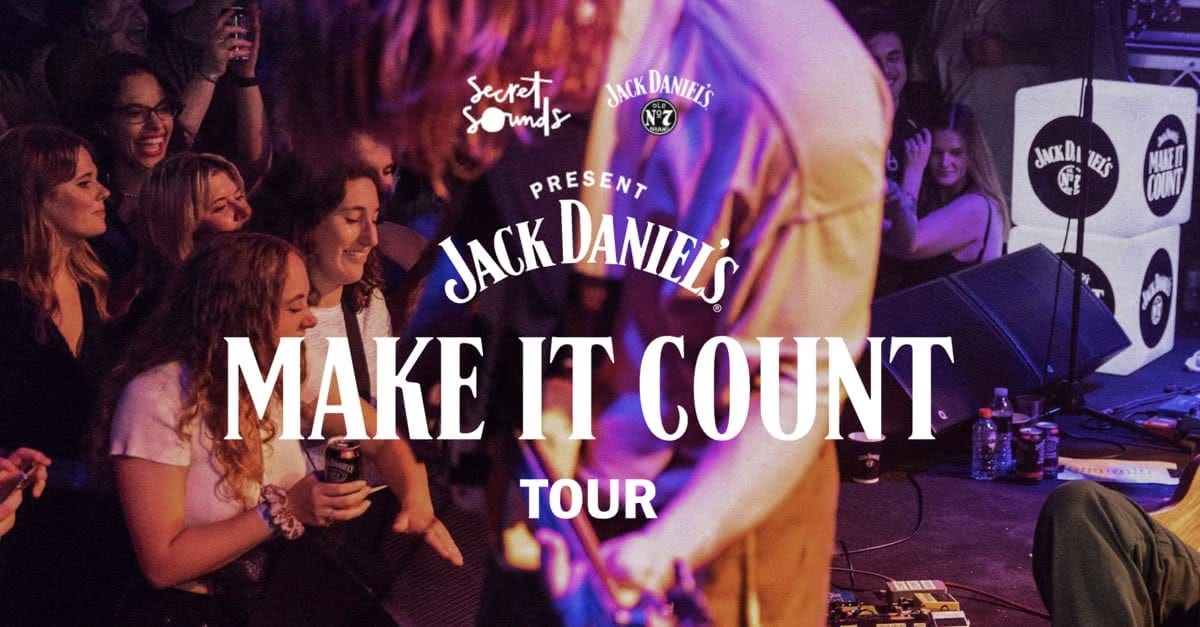
Sophia: We still did the big brand film because, realistically, a brand like Jack Daniel’s needs that. It does an external job and an internal one too. But we designed the campaign in a way that was modular. The TV work was built in vignettes, so markets could slice, adapt and use the pieces they needed. Social, out of home and experiences could all sit under the same umbrella. Music was a very natural fit because Jack has had a long-standing commitment there, so it was never opportunistic. It became about making that moment in music count, whether that was for fans, artists or emerging talent.
That flexibility also helped the platform stretch into other parts of the portfolio.
Did the platform influence innovation too?
Sophia: Not in the sense of shaping the products themselves. Those were already in development. But it absolutely shaped how we talked about them. We were launching more super-premium expressions at the time, and Make It Count gave us a very natural way in. It let us talk about making the craft count, making the barrels count, making the production process count. So it was a very easy and powerful platform to apply across the portfolio.
That may be the biggest lesson from all of this. The best brand platforms do not just work in communications. They create coherence across the business. They help markets align. They help premium products ladder up. They create a common language that is emotionally resonant for consumers and strategically useful for the organisation.
For Sophia, Make It Count succeeded because it did both. It protected the soul of Jack Daniel’s while giving the brand a more modern, flexible and globally usable platform.
And that is no small achievement.
Because moving an icon forward is not about changing it for the sake of change.
It is about understanding exactly what must stay the same, so you can be brave about everything else.
Four implications for brands
1. Protect the soul before you try to evolve the brand
Iconic brands are layered. In Jack Daniel’s case, that means craft, provenance and heritage on one side, and cultural relevance on the other. The job is not to choose between them, but to understand both deeply enough to know what must remain untouched and what can move forward.
2. Find an insight that travels, but still means something
Great global ideas sit in the tension between universality and specificity. Make It Count worked because it tapped into a shared human desire for connection and meaning, while being flexible enough to show up differently across cultures and contexts.
3. Build a system, not just an idea
Most global campaigns fail in execution, not strategy. By involving markets early and creating a model with clear guardrails but real flexibility, Sophia ensured adoption. The result was not just alignment, but scale with media investment doubling as a direct consequence.
4. Create a platform that stretches beyond communications
The strongest brand ideas do not live in ads alone. They shape how the business talks about itself, from culture to product to premiumisation. Make It Count gave Jack Daniel’s a unifying language that worked across campaigns, markets and the portfolio.
Put simply, this was not just a campaign. It was a blueprint for how to move an iconic brand forward with clarity on what never changes, and confidence in everything that can.
This was great Will! The point on market adoption resonated a lot as that's the challenge I'm facing now. It's the challenge of pushing a global platform for the brand but also addressing the challenge that the brand has a different shape of the challenge in every country. Very insightful
Great story but how in the world did you let the email go out with a typo in the subject line? Or is Jacke how the Brits think it should be spelled?